Resources
Bloom Calendar
Track seasonal nectar and pollen sources across the year to support colony planning, forage awareness, and better timing for inspections, feeding, and honey production.
Seasonal Guide
What To Watch Through The Season
A bloom calendar helps beekeepers connect local flowering cycles with colony needs. Weather, elevation, and microclimates can shift bloom timing, so use this page as a planning guide and compare it with current field conditions in the Southern Tier. Stay on track with Cornell CALS, Beekeeping Calendar for the Northeast
Early Spring
Watch for willows, maples, crocus, and other early blooms that provide critical pollen as colonies begin brood rearing and population growth.
Late Spring
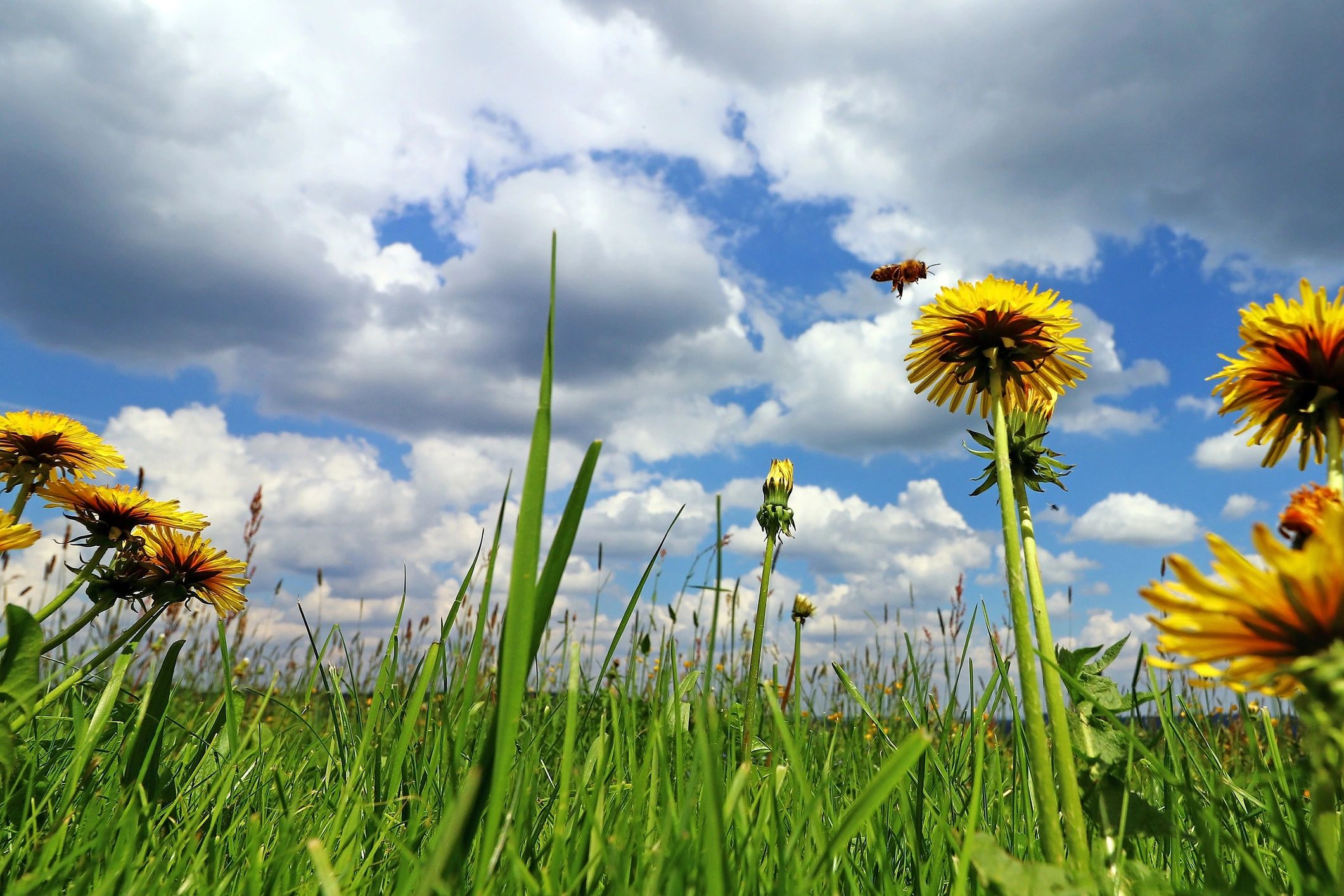
Fruit blossoms, dandelion, clover, and ornamental plantings can create strong forage windows that support rapid buildup and swarm preparation.
Summer
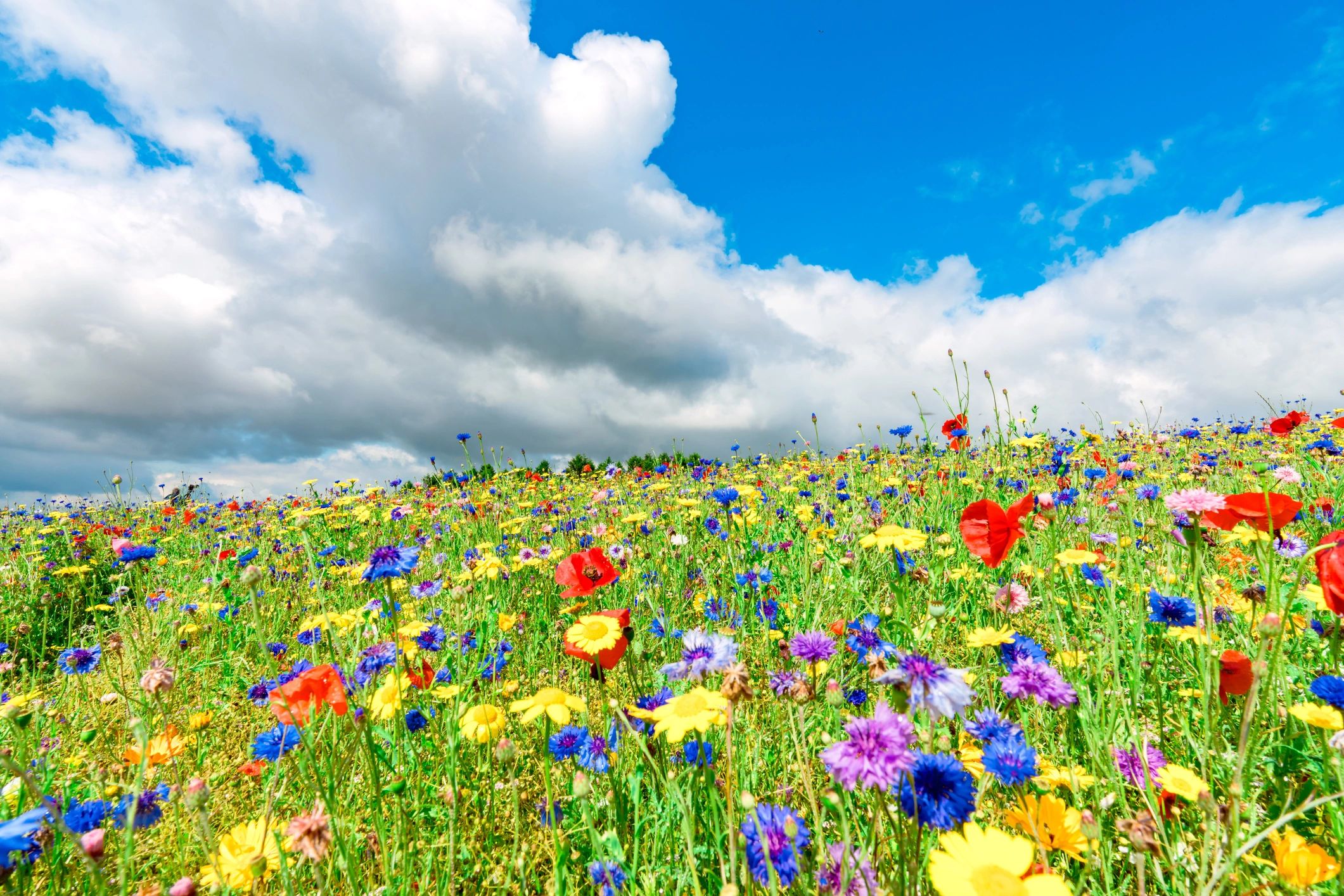
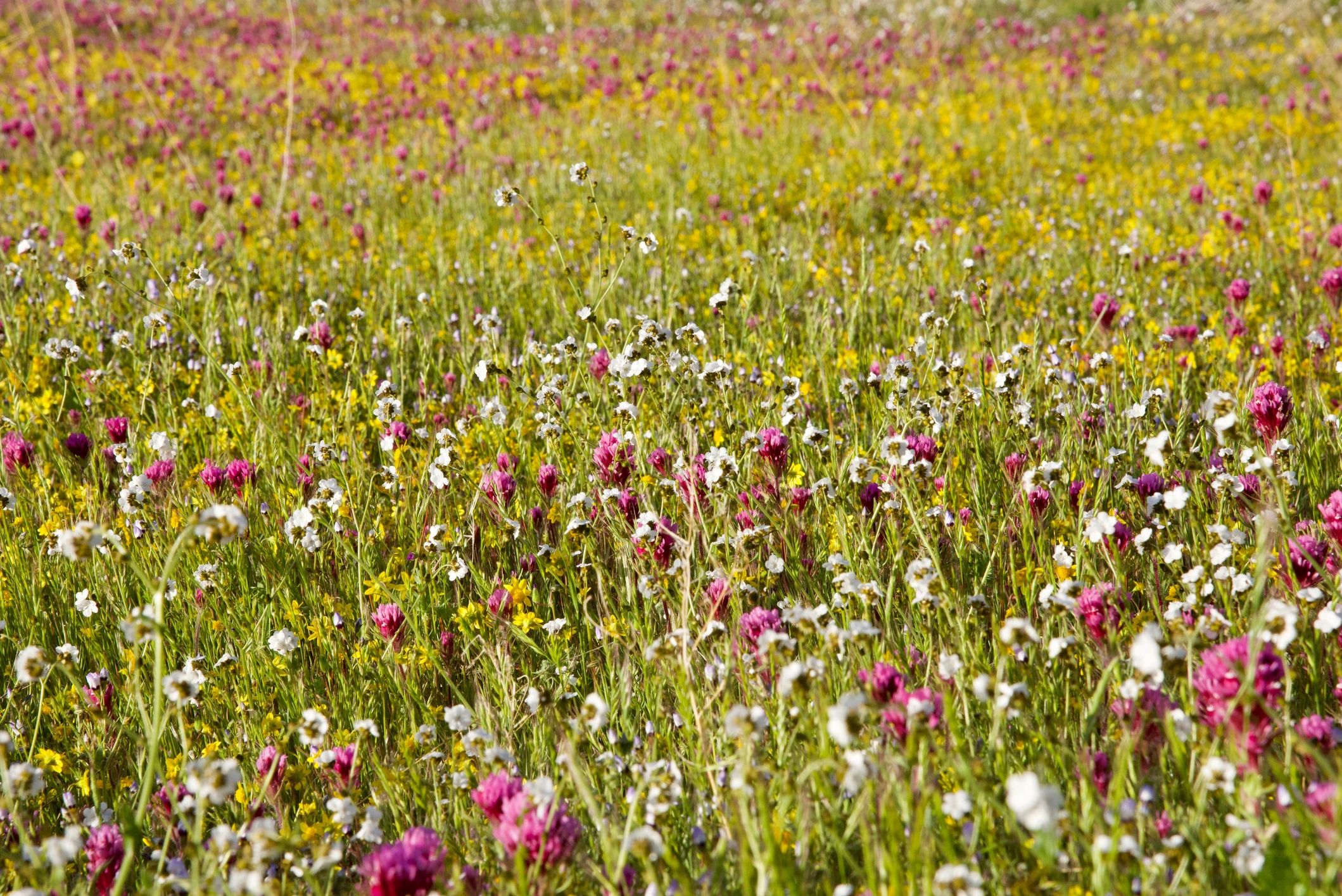
Basswood, wildflowers, and mixed meadow sources may contribute nectar flows. Monitor supers, ventilation, and moisture conditions during peak activity.
Late Summer To Fall
Goldenrod, asters, and late-season forage often help colonies prepare winter stores. Evaluate hive weight and supplement only when natural forage is insufficient.
Field Notes
Use The Calendar In Practice
Bloom timing is most useful when paired with observation, recordkeeping, and local knowledge from experienced members.
Compare Bloom And Swarm Activity
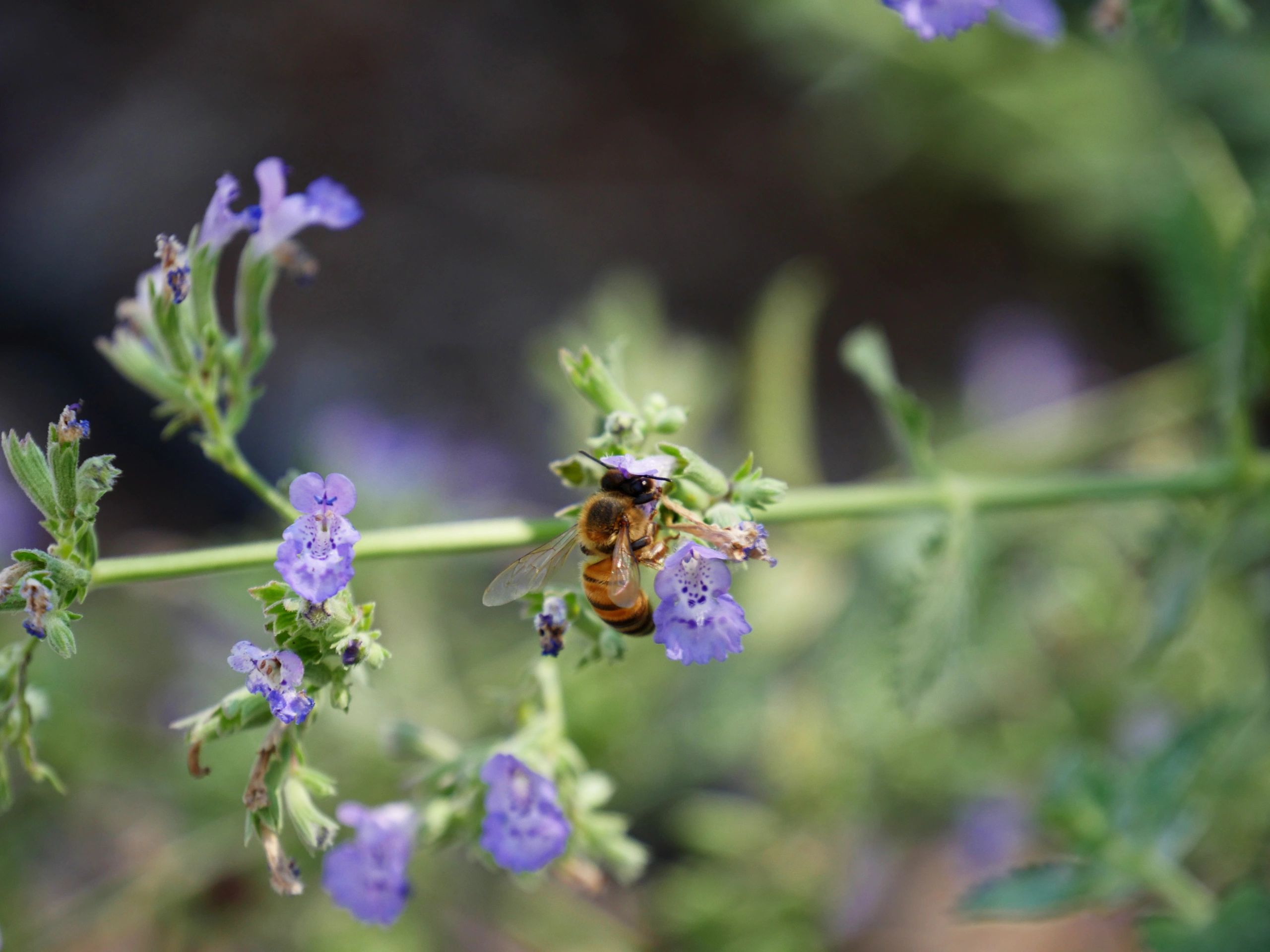
Use bloom periods alongside swarm season awareness to anticipate colony congestion, queen cell development, and the need for timely inspections.
Plan Meetings And Apiary Work
Coordinate bloom expectations with club meetings, workshops, and field visits so members can discuss what they are seeing in real time.
Support Responsible Management
Pair forage knowledge with current guidance on hive placement, seasonal management, and applicable beekeeping rules in your area.